
Introduction:
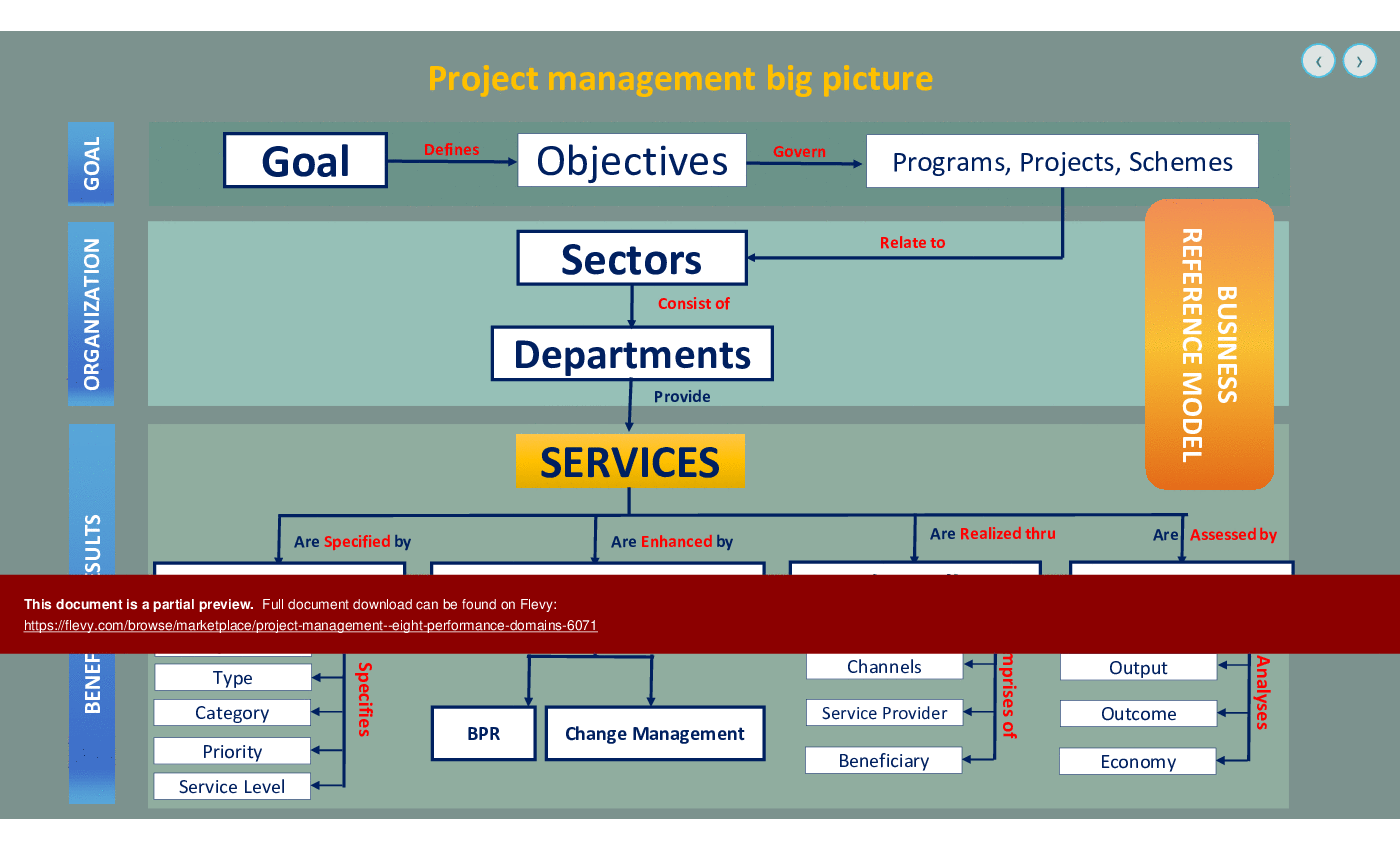
The realm of project management is no less than a grand orchestration of activities, where success hinges on a holistic understanding of interconnected systems. This 78-slide PowerPoint presentation offers a profound exploration of project management through the lens of a Systems Approach.
1. Navigating Project Management: A Holistic Perspective:
• The Big 'Churn' of Project Management: Unraveling the complexity of project management.
• The Systems Approach: Introducing the overarching framework that guides this holistic exploration.
2. Key Course Objectives:
• Project Management Unveiled: Providing an overview of Project Management – A Systems Approach.
• Effective Participation: Equipping individuals to navigate projects successfully, whether as leaders or team members.
3. The Systems Approach Principles:
• Foundation of Holistic Thinking: Delving into the core principles that underpin the Systems Approach.
4. Embracing Project Management Principles:
• Stewardship: Fostering responsible project management.
• Tailoring: Adapting strategies to suit each unique project.
• Team Dynamics: Understanding the crucial role of team cohesion.
• Quality Assurance: Ensuring the delivery of excellence.
• Stakeholder Engagement: The art of building meaningful connections.
• Complexity Management: Tackling intricate project challenges.
• Value Creation: Maximizing project outcomes.
• Risk Mitigation: Navigating uncertainty with precision.
• Systems Thinking: Cultivating a holistic project perspective.
• Adaptability and Resiliency: Thriving amidst change and adversity.
• Leadership Mastery: Guiding the project with vision and purpose.
• Embracing Change: Harnessing the power of change for project advancement.
5. The Project Performance Domains:
• Stakeholder Engagement: Elevating stakeholder interaction.
• Team Dynamics: Fostering teamwork and collaboration.
• Development Approach & Life Cycle: Navigating project evolution.
• Planning Precision: Crafting meticulous project plans.
• Project Work: Executing project tasks with finesse.
• Delivery Excellence: Ensuring project objectives are met.
• Measurement and Evaluation: Tracking progress and outcomes.
• Uncertainty Management: Dealing with unforeseen challenges.
6. Project Management Mastery:
• The Culmination: Achieving project planning and execution proficiency.
• Resource Management: Mastering people and resource allocation.
• Stakeholder Connectivity: Building meaningful connections.
• Scope, Budget, and Timeline Adherence: Ensuring project objectives are met within constraints.
In essence, "Project Management with a Holistic Systems Approach" empowers individuals to become adept project managers and invaluable team members. It extends an invitation to embrace the multifaceted world of project management through a holistic lens, ensuring projects are orchestrated with precision and finesse.
Got a question about the product? Email us at support@flevy.com or ask the author directly by using the "Ask the Author a Question" form. If you cannot view the preview above this document description, go here to view the large preview instead.
Executive Summary
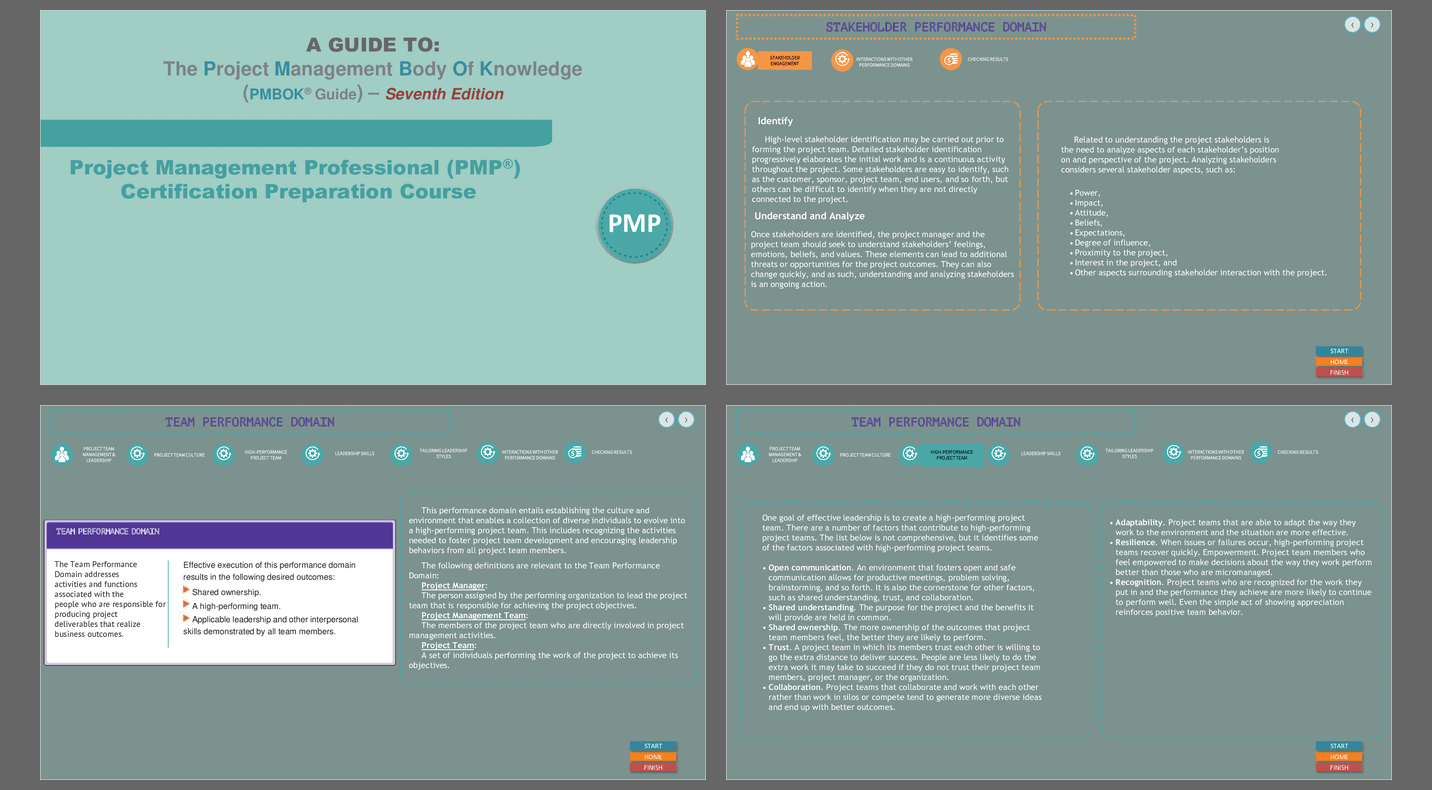
The Project Management Professional (PMP®) Certification Preparation Course is meticulously designed to align with the Project Management Body of Knowledge (PMBOK® Guide) – Seventh Edition. This course equips participants with a comprehensive understanding of project management principles, focusing on the latest methodologies and frameworks essential for effective project delivery. By engaging with this course, corporate executives, integration leaders, and consultants will enhance their ability to manage projects efficiently, ensuring alignment with organizational goals and stakeholder satisfaction.
Who This Is For and When to Use
• Project Managers seeking PMP® certification
• Corporate executives overseeing project portfolios
• Integration leaders managing cross-functional teams
• Consultants advising on project management best practices
Best-fit moments to use this course:
• Preparing for the PMP® certification exam
• Enhancing project management skills in a corporate environment
• Implementing PMBOK® methodologies in project execution
• Conducting training sessions for project teams
Learning Objectives
• Define key project management principles and their applications.
• Build effective project plans that align with organizational goals.
• Establish stakeholder engagement strategies for successful project outcomes.
• Identify risks and develop mitigation plans to navigate uncertainties.
• Measure project performance using relevant metrics and KPIs.
• Foster team collaboration and leadership skills to enhance project delivery.
Table of Contents
• Introduction to PMBOK® Guide (page 1)
• Overview of Project Management Principles (page 3)
• Stakeholder Performance Domain (page 5)
• Team Performance Domain (page 10)
• Development Approach and Life Cycle Performance Domain (page 15)
• Planning Performance Domain (page 20)
• Project Work Performance Domain (page 25)
• Delivery Performance Domain (page 30)
• Measurement Performance Domain (page 35)
• Uncertainty Performance Domain (page 40)
Primary Topics Covered
• Project Management Principles - Core principles that guide effective project management practices, ensuring alignment with organizational objectives.
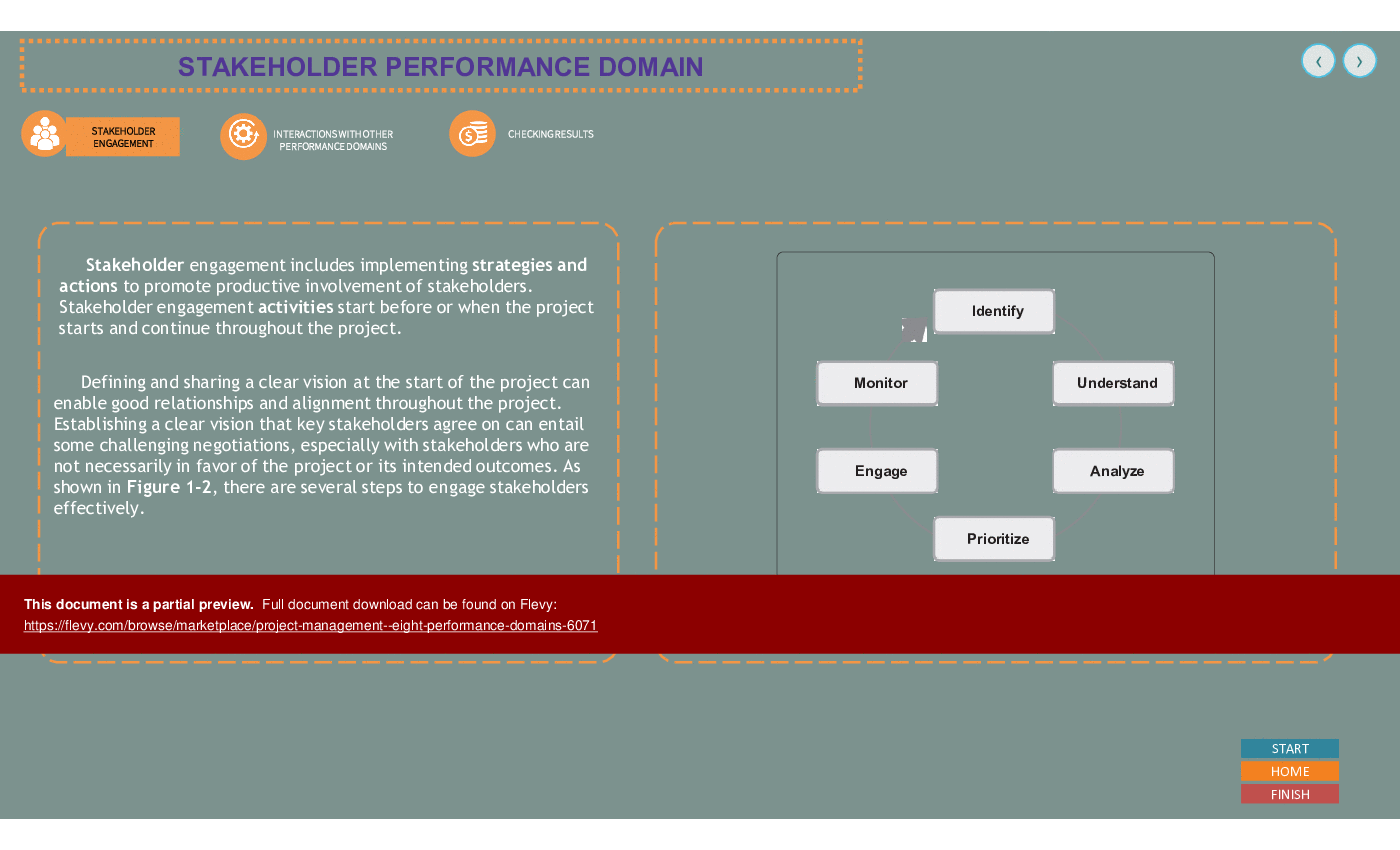
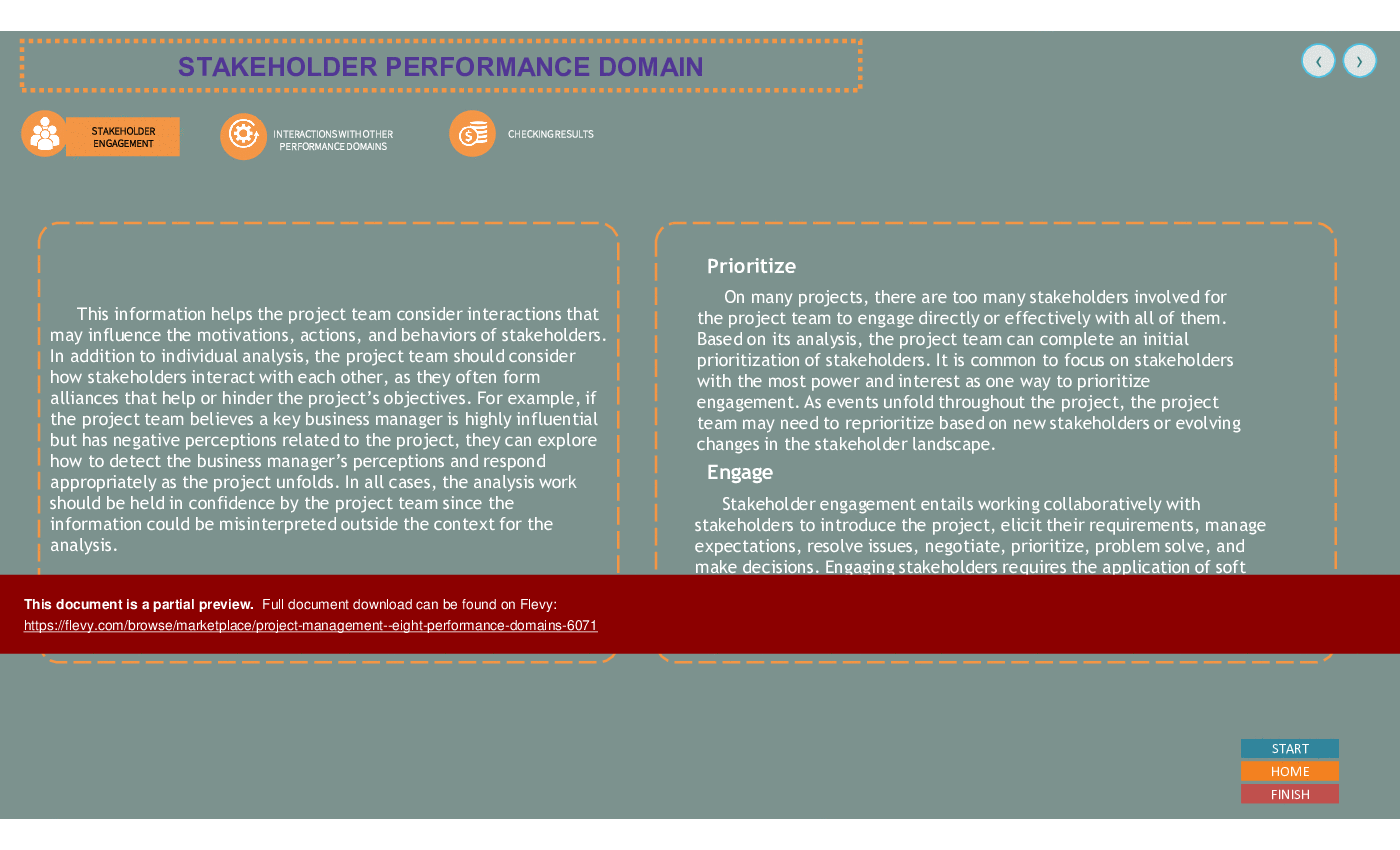
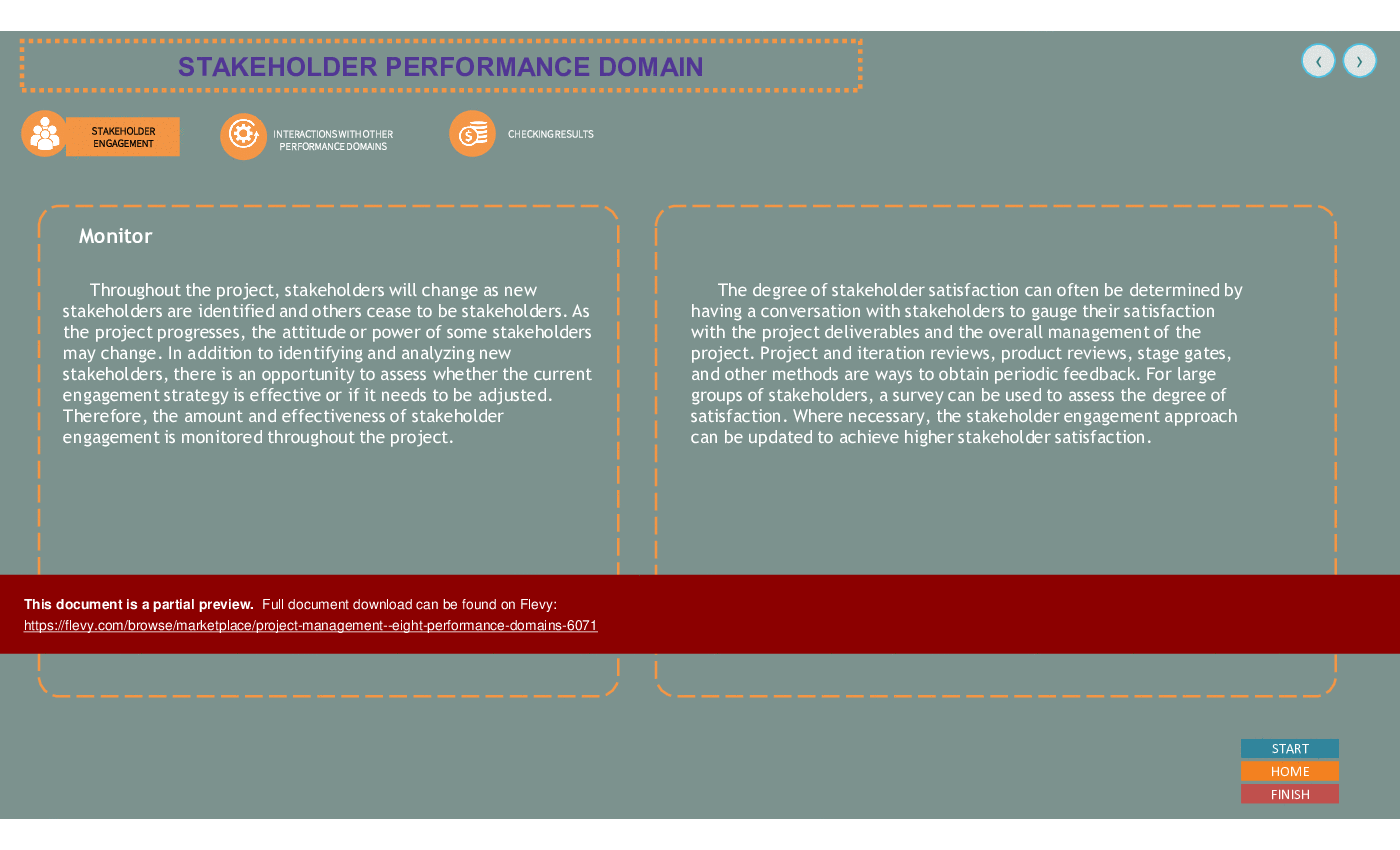
• Stakeholder Engagement - Techniques for identifying, analyzing, and engaging stakeholders to foster productive relationships and project success.
• Team Dynamics - Strategies for building high-performing project teams through effective leadership and collaboration.
• Development Approaches - Overview of various development methodologies, including predictive, adaptive, and hybrid approaches.
• Planning and Execution - Frameworks for creating comprehensive project plans that adapt to changing environments and stakeholder needs.
• Performance Measurement - Metrics and KPIs for assessing project performance and ensuring alignment with business goals.
Deliverables, Templates, and Tools
• Project charter template for defining project scope and objectives.
• Stakeholder analysis matrix for identifying and prioritizing stakeholder engagement.
• Work breakdown structure (WBS) template for decomposing project deliverables.
• Risk management plan template for identifying and mitigating project risks.
• Performance dashboard for tracking project metrics and KPIs.
• Communication plan template for managing stakeholder information needs.
Slide Highlights
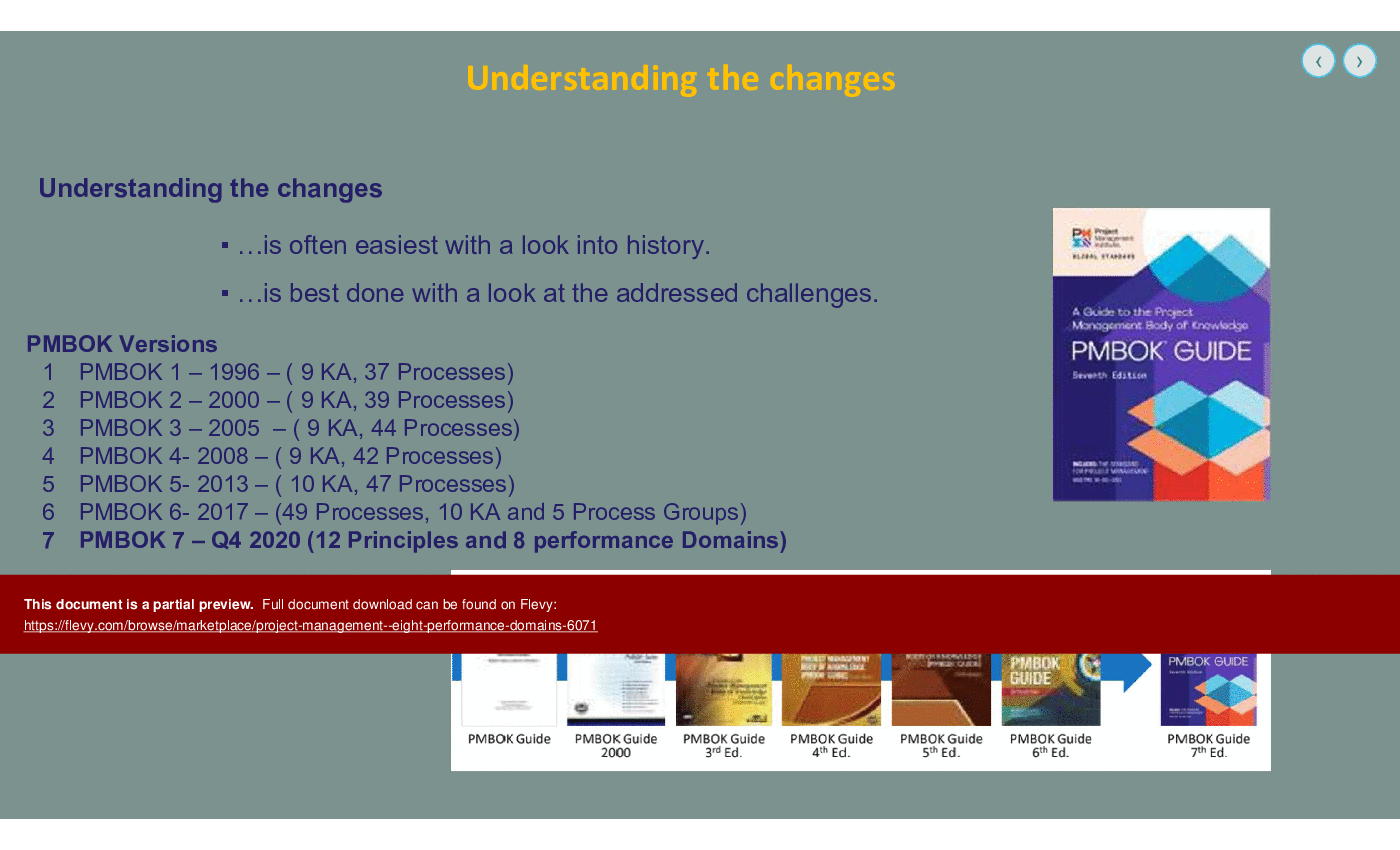
• Overview of PMBOK® Guide changes and their implications for project management.
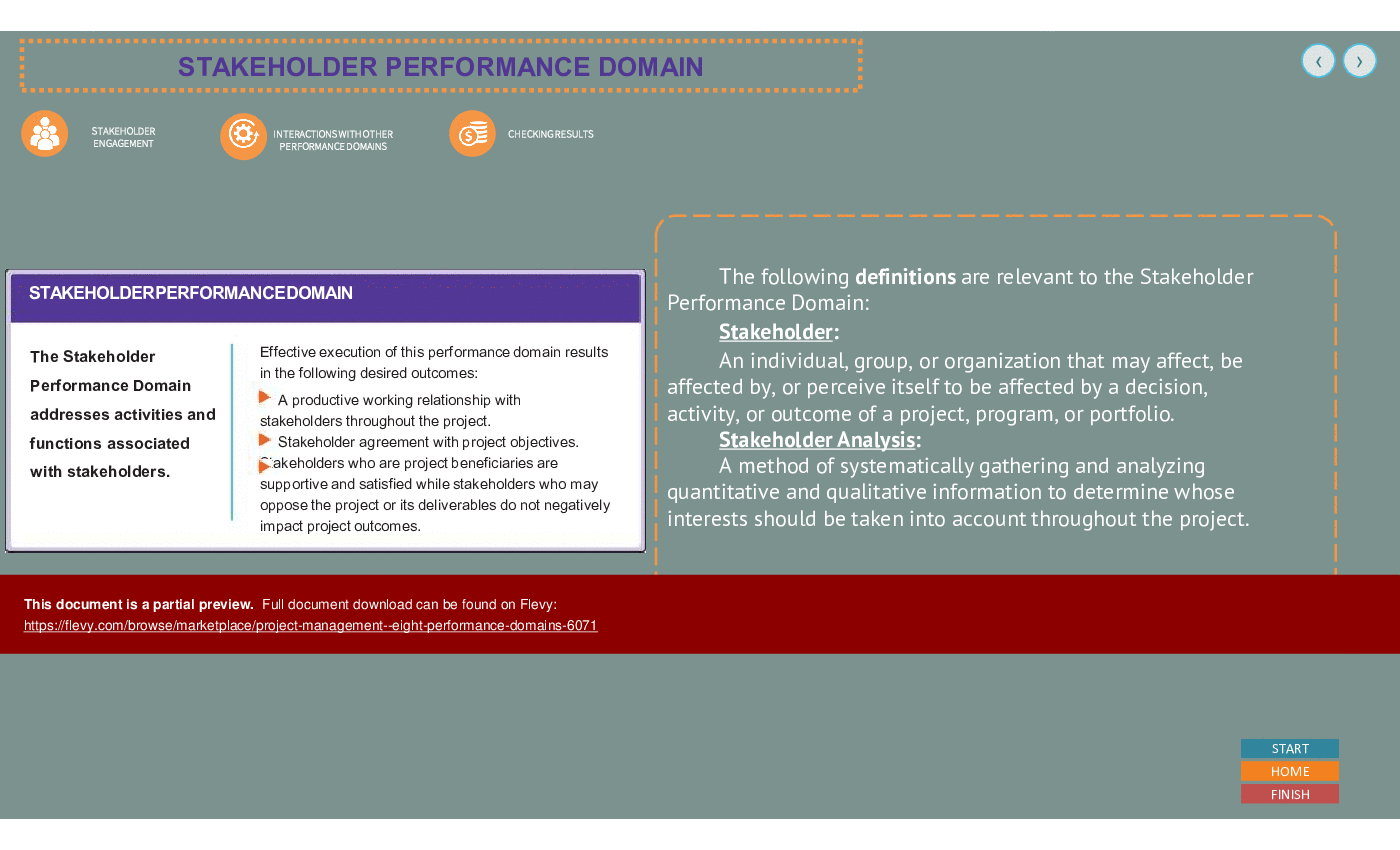
• Visual representation of the stakeholder engagement process and its importance.
• Framework for team performance, emphasizing the role of leadership and collaboration.
• Comparison of different development approaches and their suitability for various projects.
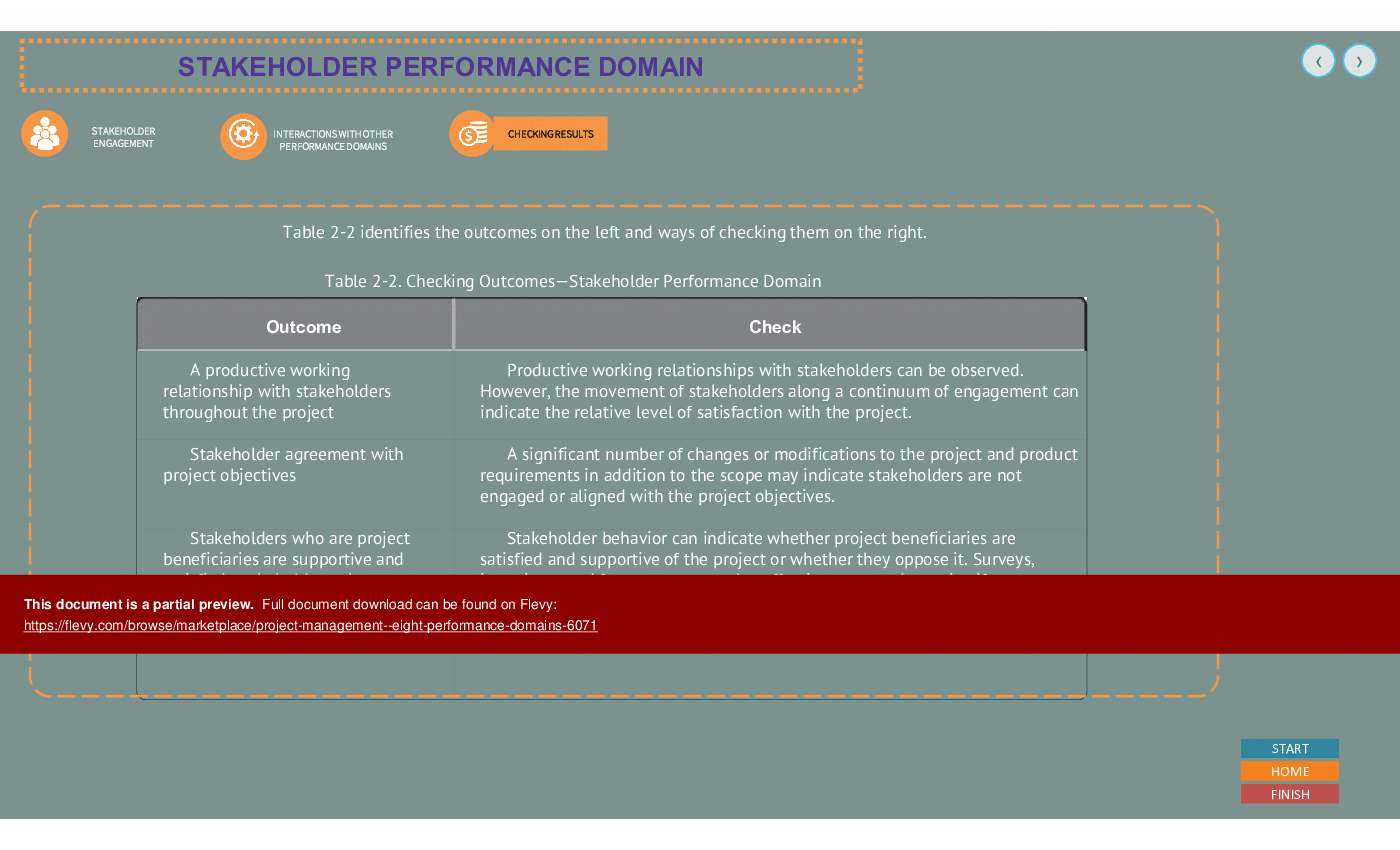
• Key metrics for measuring project performance and ensuring stakeholder satisfaction.
Potential Workshop Agenda
Introduction to PMBOK® Guide (30 minutes)
• Overview of project management principles and methodologies.
• Discussion on the evolution of the PMBOK® Guide and its relevance.
Stakeholder Engagement Strategies (60 minutes)
• Identifying and analyzing stakeholders.
• Developing engagement plans to foster collaboration.
Team Dynamics and Performance (60 minutes)
• Building high-performing teams through effective leadership.
• Strategies for enhancing team collaboration and communication.
Risk Management and Uncertainty (45 minutes)
• Identifying project risks and developing mitigation strategies.
• Navigating uncertainty in project environments.
Customization Guidance
• Tailor project plans to reflect specific organizational goals and stakeholder expectations.
• Adapt stakeholder engagement strategies based on the project's unique context and environment.
• Modify risk management plans to address specific project risks and uncertainties.
• Customize performance metrics to align with organizational standards and project objectives.
Secondary Topics Covered
• The importance of effective communication in project management.
• Techniques for managing project constraints and balancing competing demands.
• The role of continuous learning and process improvement in project success.
• Strategies for integrating sustainability considerations into project planning.
FAQ
What is the PMBOK® Guide?
The PMBOK® Guide is a comprehensive framework that outlines standard project management practices and principles recognized globally.
Who should take this course?
This course is ideal for project managers, corporate executives, integration leaders, and consultants aiming to enhance their project management skills and prepare for the PMP® certification.
How does this course align with the PMBOK® Guide?
The course is structured around the PMBOK® Guide's principles and performance domains, ensuring participants gain a thorough understanding of contemporary project management practices.
What are the benefits of obtaining PMP® certification?
PMP® certification demonstrates a professional's expertise in project management, enhances career opportunities, and validates their ability to manage projects effectively.
How can I apply what I learn in this course?
Participants can apply the knowledge gained to improve project planning, execution, and stakeholder engagement in their respective organizations.
What resources are provided with this course?
Participants receive templates, tools, and access to additional resources to support their project management practices and PMP® exam preparation.
Is there a final assessment for this course?
Yes, participants will complete a final assessment to evaluate their understanding of the course material and readiness for the PMP® certification exam.
Glossary
• PMBOK® Guide - A standard for project management practices published by the Project Management Institute (PMI).
• Stakeholder - An individual or group affected by or involved in a project.
• Work Breakdown Structure (WBS) - A hierarchical decomposition of project scope into manageable sections.
• Risk Management - The process of identifying, assessing, and mitigating project risks.
• Performance Metrics - Quantifiable measures used to assess project performance.
• Agile - An adaptive project management methodology emphasizing iterative development and stakeholder collaboration.
• Predictive Approach - A project management methodology that relies on detailed upfront planning and a fixed scope.
• Change Control - A systematic approach to managing changes in project scope, schedule, and resources.
• Deliverable - A tangible or intangible product or result produced as part of a project.
• Quality Assurance - The process of ensuring that project deliverables meet specified quality standards.
• Contingency Reserve - Budget or time set aside to address identified risks should they occur.
• Business Case - A document that outlines the justification for undertaking a project, including expected benefits and costs.
• Net Promoter Score (NPS) - A metric used to gauge stakeholder satisfaction and loyalty.
• Earned Value Management (EVM) - A project management technique for measuring project performance against the baseline.
• Continuous Improvement - Ongoing efforts to enhance products, services, or processes.
• Servant Leadership - A leadership philosophy that focuses on serving the needs of the team and fostering a collaborative environment.
• Triple Bottom Line - A framework for evaluating a project's impact on social, environmental, and economic factors.
Source: Best Practices in Project Management, PMP PowerPoint Slides: Project Management - Eight Performance Domains PowerPoint (PPTX) Presentation Slide Deck, RadVector Consulting
This document is available as part of the following discounted bundle(s):

Save %!
Project Management - Efficiently & effectively
This bundle contains 5 total documents. See all the documents to the right.
|
Receive our FREE presentation on Operational Excellence
This 50-slide presentation provides a high-level introduction to the 4 Building Blocks of Operational Excellence. Achieving OpEx requires the implementation of a Business Execution System that integrates these 4 building blocks. |









